

“Every day, negligent drivers make reckless decisions that put innocent people at risk on our roads. Whether it’s distracted driving, speeding, or disregarding traffic laws, these careless actions can result in devastating collisions that change lives in an instant,” says T. Madden Law, an Atlanta Personal Injury Lawyer.
When you’ve been injured in a car accident caused by someone else’s negligence, the physical and emotional trauma can feel overwhelming. Your body may be dealing with injuries ranging from whiplash and broken bones to soft tissue damage and chronic pain that affects your daily functioning.
While it’s absolutely crucial to give yourself adequate time to heal and process the trauma you’ve experienced, staying stagnant for too long can actually hinder your recovery. Finding the right approach to regain your fitness is essential for reclaiming your health, independence, and quality of life.
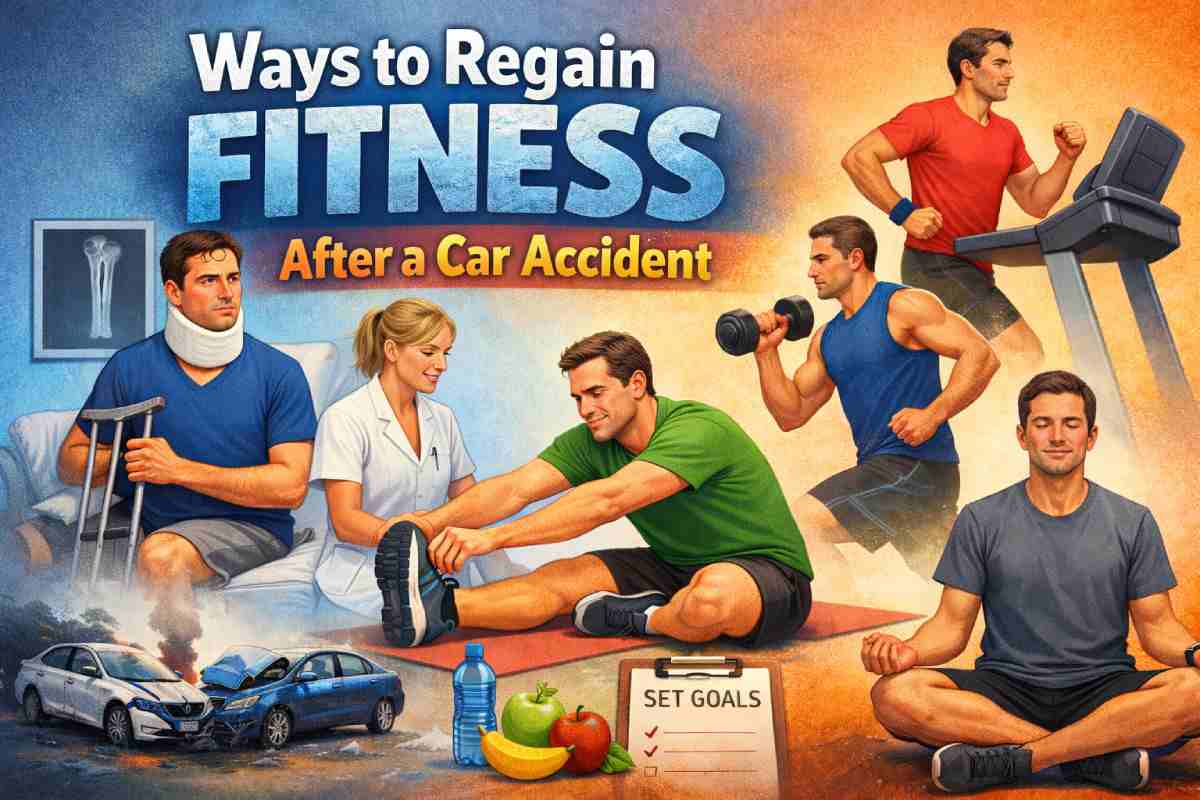
The journey back to fitness after a car accident requires patience, dedication, and a strategic approach tailored to your specific injuries and circumstances. Here are six effective ways to safely rebuild your strength and get back to living your best life.
Table of Contents
Consult with Healthcare Professionals Before Starting
Before embarking on any fitness regimen following a car accident, consulting with your doctor or physical therapist is absolutely non-negotiable. They understand the extent of your injuries and can provide personalized guidance on what activities are safe for your current condition and recovery stage.
Your healthcare team can identify potential risks and limitations that you might not be aware of on your own. They’ll help you understand which movements could aggravate your injuries and which exercises will actually support your healing process rather than set it back.
Getting professional clearance also ensures you’re not inadvertently causing further damage to injured areas that may still be healing internally. This medical oversight is particularly important for injuries involving the spine, joints, or internal organs that may have been affected by trauma.
Start with Gentle, Low-Impact Activities
Once you have medical approval, beginning with low-impact exercises is the safest way to reintroduce physical activity into your routine. Walking, swimming, or gentle water aerobics can help you rebuild cardiovascular endurance without placing excessive stress on healing joints and muscles.
These gentle activities promote blood circulation throughout your body, which accelerates the healing process by delivering essential nutrients and oxygen to injured tissues. Improved circulation also helps reduce inflammation and clear away metabolic waste products that accumulate during the healing process.
Starting slowly allows you to gauge your body’s response to movement and identify any lingering pain or discomfort that needs attention. Remember that progress during recovery isn’t linear, and some days will feel better than others as your body continues to heal.
Prioritize Physical Therapy and Rehabilitation
Physical therapy is often the cornerstone of recovery after a car accident, especially when you’ve sustained musculoskeletal injuries. A licensed physical therapist can design a customized rehabilitation program that addresses your specific injuries while gradually building strength, flexibility, and range of motion.
These professionals use evidence-based techniques including manual therapy, therapeutic exercises, and specialized equipment to help restore function to injured areas. They’ll also teach you proper body mechanics and movement patterns that prevent compensation injuries from developing as you favor uninjured areas.
Consistency with your physical therapy appointments and home exercise program is crucial for achieving optimal results. The exercises may seem simple or even tedious at times, but they’re specifically designed to retrain muscles and restore normal movement patterns essential for long-term recovery.
Incorporate Flexibility and Mobility Work
Car accidents often leave victims with tight, restricted muscles and reduced range of motion due to protective muscle guarding and scar tissue formation. Incorporating gentle stretching and mobility exercises into your routine helps counteract these effects and restores functional movement patterns.
Yoga, tai chi, or simple daily stretching routines can significantly improve flexibility while also providing mental health benefits through mindfulness and controlled breathing. These practices encourage body awareness, helping you recognize and address areas of tension before they develop into chronic problems.
Focus on gentle, sustained stretches rather than aggressive or bouncing movements that could strain healing tissues. Hold each stretch for at least thirty seconds and breathe deeply, allowing your muscles to gradually release tension and lengthen naturally.
Rebuild Core Strength Gradually
Your core muscles provide essential stability for virtually every movement your body makes, and they’re often weakened following car accidents due to injury or prolonged inactivity. Rebuilding core strength is fundamental to preventing future injuries and restoring full functional capacity in your daily activities.
Start with basic exercises like pelvic tilts, gentle bridges, and modified planks before progressing to more challenging movements. These foundational exercises help reestablish the mind-muscle connection and build endurance in deep stabilizing muscles that support your spine and pelvis.
Strong core muscles also improve posture and reduce strain on other areas of your body that may have been compensating during your recovery. As your core strength improves, you’ll likely notice decreased pain and increased ease with everyday movements like bending, lifting, and twisting.
Listen to Your Body and Adjust Accordingly
Perhaps the most important aspect of regaining fitness after a car accident is developing the ability to listen to your body’s signals. Pain is your body’s way of communicating that something isn’t right, and pushing through significant pain can result in setbacks or additional injuries.
Learn to distinguish between the general discomfort of reconditioning muscles and the sharp or specific pain that indicates potential harm. If an exercise causes pain that persists beyond the activity or worsens over time, stop immediately and consult your healthcare provider before continuing.
Be prepared to modify your fitness routine based on how your body responds from day to day. Some days you’ll have more energy and less pain, while others may require scaling back your activities to allow for additional rest and recovery.
Conclusion
Recovery from a car accident is a personal journey that unfolds differently for everyone based on injury severity, age, overall health, and individual circumstances.
By following these six strategies and maintaining open communication with your healthcare team, you can safely rebuild your fitness and return to the activities you love. Remember that every small step forward is progress, and with dedication and the right approach, you can emerge from this experience stronger and more resilient than before.