

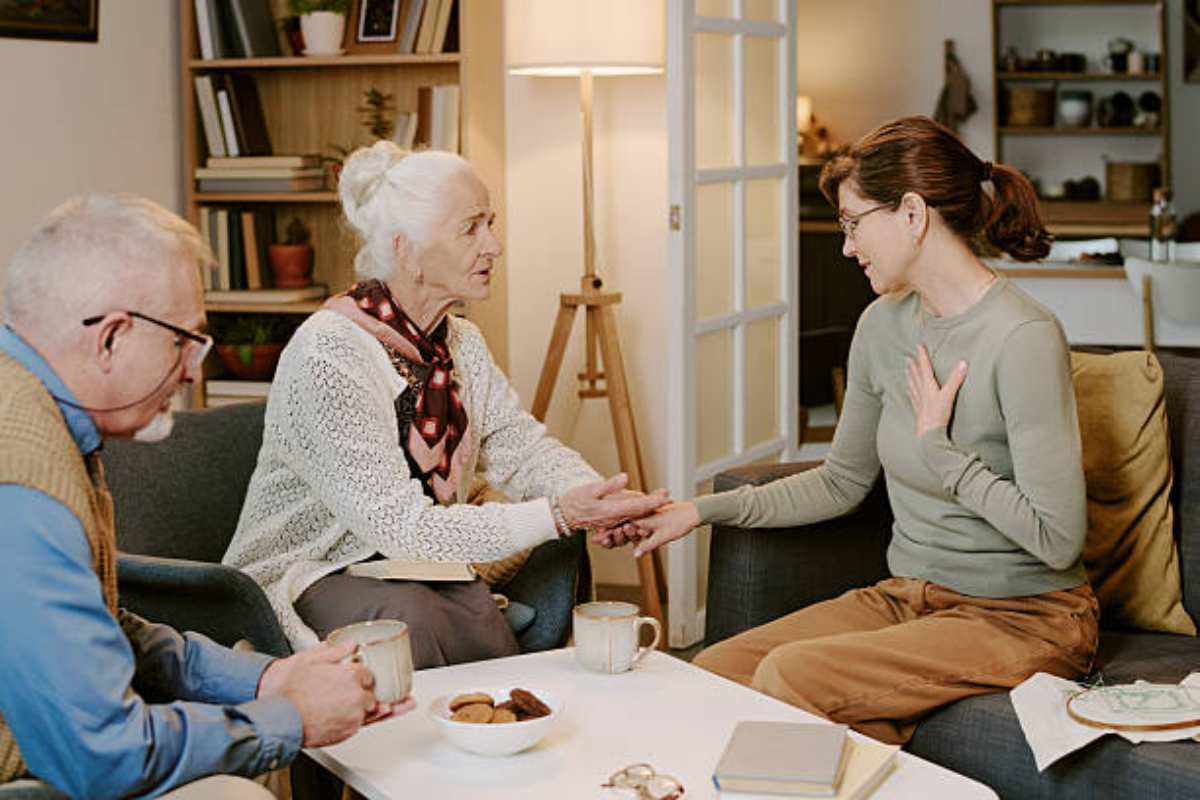
Families all begin in the same way. Someone starts to notice that Dad is forgetting to eat lunch or that Mom is having a hard time with the stairs. A daughter starts to visit the house more often. A son starts to take over paying the bills. And before you know it, the help that started as an occasional visit turns into a second full-time job nobody applied for.
This is the way it goes in millions of homes every year. And for the most part, it works in the beginning. Family members step up after all. That’s what family is supposed to do. But there comes a time when good intentions and love just isn’t enough anymore and recognizing that isn’t a failure.
Table of Contents
Things Got More Complicated Than You Thought They Would
The shift from “this person needs help every once in a while” to “this person needs help all of the time” doesn’t happen with trumpets announcing its arrival. It sneaks up on you and then suddenly you find yourself in the thick of it. Sometimes it’s prompted by a bad fall that shakes everyone’s confidence. Other times it’s a diagnosis that comes with medications that nobody in the family has time or expertise to properly manage.
What usually surprises most families is how quickly the demands of caregiving multiply. Going to doctor’s appointments is manageable. But bathing, changing complicated medications, helping someone get from bed to wheelchair, dealing with midnight emergencies all while trying to hold down a job and raise your own kids? That sounds like a disaster waiting to happen.
The physical demands placed on family members are easy to see. But it’s the emotional demands that people don’t usually see coming. The process of making medical decisions for someone who is your parent or spouse while watching that person decline and realizing you aren’t qualified to make those decisions takes a toll. The guilt of not feeling you’re doing enough eventually becomes heavy. And all of that feels like it’s too much for one person to carry.
So What Is It That Caregivers Actually Do?
For many families, the decision to bring in professional caregivers feels like giving up. It feels like admitting defeat. The truth is, this isn’t really what’s happening.
Professional caregivers simply have skill sets that most family members don’t possess. They know how to transfer someone who can’t transfer themselves. They recognize symptoms that might mean an infection that family caregivers might miss because they don’t know how to look for them. They know how to manage wounds and handle medical supplies. They are aware of tasks that actually require training to do well and safely.
The practical skills are one side of the equation. There’s a second component to what caregivers do.
Caregivers come in with fresh emotional boundaries that allow them to provide consistent, patient care day after day even when we’re not much more than a shell of ourselves due to exhaustion. They enter the room rested and ready to go in ways that we shouldn’t reasonably expect from family members who have stretched too far for too long already.
For families struggling with how much help they need, a Home Care Agency Philadelphia can match family needs and levels of recommended care to the appropriate support level whether that means only a few hours a week or a more comprehensive level of support that needs several layers of care.
What Kind of Support Can Be Provided?
Professional home care comes in a few different “flavors,” which is good news but also makes it a little confusing for families trying to figure out what they need.
Companion care is most aimed at people who can still largely take care of themselves but need help with some tasks they have begun to find challenging. This kind of care can focus on social interaction, companionship, light housekeeping, meal preparations and running errands.
Personal care is mostly focused on bathing, grooming, dressing, feeding and mobility. This refers to caregivers stepping in to assist with activities of daily living that people need done for dignity but can no longer do on their own.
Specialized skilled care is provided by licensed caregivers who can perform specialized tasks such as dressing and wound care and IV medications and injections. This level of care can also mean monitoring specific conditions such as heart failure or COPD. This is the level of care needed when personal care tasks are not enough anymore.
The nice thing about professional home care is that families can “start where they’re at” and then scale the support levels up or down as needed over time. Most people don’t require a high level of care immediately anyway so scaling it up at a reasonable pace often makes more sense.
How To Recognize When It’s Time
There are some “obvious” markers that indicate it’s time to bring in some sort of help, especially if that help comes from someone who is not family. When someone leaves a rehab or hospital stay with specialized equipment they didn’t have before. When someone has too many medications for which mistakes can actually be dangerous. When someone is falling pretty frequently. Or when someone no longer feels comfortable leaving this person at home by himself.
But there are also quieter signals that people often miss. Family members start missing work more often. The primary caregiver suddenly looks exhausted all the time and stops taking care of himself. The person being cared for gets angry or withdrawn when he feels he’s a burden to the people around him. Care begins to slip not because people don’t care but because there just isn’t time in the day for one person to do it all.
Safety is an important factor here. But safety doesn’t have to be defined only in physical terms. Emotional safety is important too. If someone is miserable because of the care situation even though nobody is in physical danger that’s something worth addressing as well.
How Families Adjust After Professional Help Arrives
Bringing in professional care changes family dynamics so it’s worth taking some time to adjust after that transition.
The person receiving care may not take the transition very well at first. He might feel abandoned by his family or feel like he’s losing his independence because he now has to rely on someone else who gets paid to help him do things he thinks his family should still be doing for him.
The family members providing care sometimes struggle with this transition period too because they feel like they’re being replaced and often have trouble letting go of control over what care is provided even if they recognize it’s already become too much for them to handle alone.
Making this change is rough but it usually gets better once everyone works into a new rhythm. Most families find that professional help actually improves their family dynamics because the tensions are reduced now that nobody is running on empty from trying too hard for too long without limits.
Finding An Answer That Works Well
Recognizing that someone might need professional home support is not a sign of failure. It’s a recognition that the situation has become too big for one person to handle (even if that one person is a family member). The goal was never for family to do absolutely everything without any outside support. The goal has always been to make sure the person needing care is getting good care while still maintaining the quality of life for everyone involved.
Professional home care allows everyone involved in the caregiving process to get good care while also being able to maintain dignity and autonomy in their own home rather than in an unfamiliar one while still allowing family members to have time for themselves so everybody can be more connected as a family instead of a weary team just trying to get through one day at a time. This is better for all parties involved.