

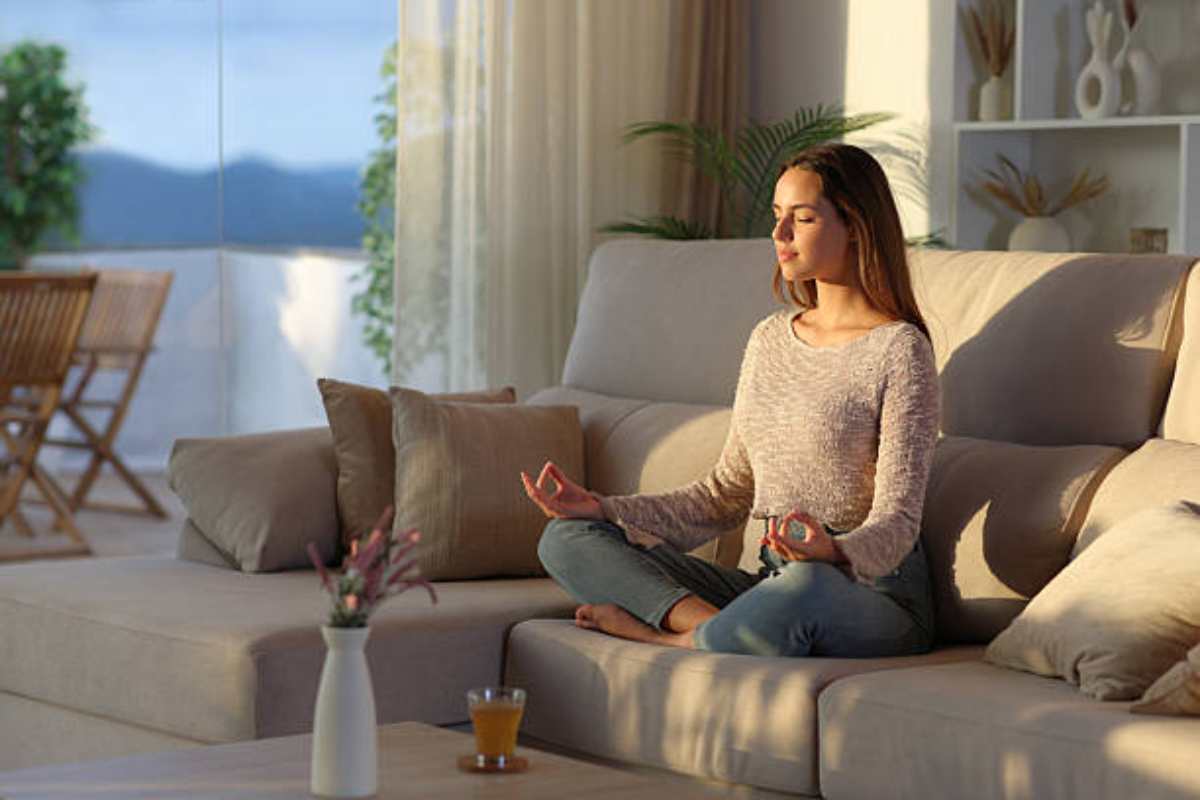
Meditation is often imagined as a practice reserved for quiet rooms and long periods of silence. In reality, meditation is a living ritual that gently weaves itself into daily life. It is not limited to posture or technique. It is the art of returning to awareness again and again.
When practiced as a daily ritual, meditation becomes a source of inner stability. It offers clarity during confusion, softness during difficulty, and presence amid constant movement. This article explores meditation not as an escape from life, but as a way to meet life fully and consciously.
Table of Contents
Understanding Meditation Beyond Technique
Meditation is commonly taught as a method to control the mind. Yet at its heart, meditation is about observation rather than control.
To meditate is to sit with what is. Thoughts arise and pass. Emotions surface and soften. Sensations shift naturally. Through awareness, the mind gradually learns to rest without force.
This approach is echoed across spiritual traditions. Meditation is not about becoming something new. It is about remembering what already exists beneath mental noise.
Why Ritual Matters in Meditation
A ritual gives meaning to repetition. When meditation becomes a ritual, it is no longer something we squeeze into our schedule. It becomes something we return to with reverence.
A daily ritual creates a sense of stability. It signals to the mind and body that this time is sacred. Over time, the ritual itself becomes calming, even before the practice begins.
Ritual also helps meditation move beyond effort. Instead of striving for results, we begin to show up with sincerity and trust.
Creating a Simple Meditation Ritual
A meditation ritual does not need complexity. Simplicity allows consistency. You can also follow the meditation ritual by My Soul Heals.
Choose a time that feels natural. Morning and evening often work well because they mark transitions. Select a quiet corner or space that feels supportive. Over time, this place begins to carry a sense of calm.
Sit comfortably with an upright but relaxed posture. Allow the hands to rest naturally. Begin with a few slow breaths, not to change anything, but to arrive fully.
Let the ritual be gentle. The intention matters more than the duration.
Breath as the Anchor of Awareness
Breath is one of the most universal meditation anchors. It is always present and always changing.
By observing the breath, the mind learns to stay with the present moment. When thoughts arise, awareness gently returns to breathing without judgment.
This practice cultivates patience and acceptance. Over time, the breath becomes a trusted companion, guiding awareness back to stillness whenever the mind wanders.
Meeting the Mind With Compassion
Many people feel discouraged when their mind feels busy during meditation. In truth, noticing restlessness is part of the practice.
Meditation teaches us to relate to the mind with kindness rather than control. Each return to awareness strengthens presence.
Instead of asking whether the meditation was good or bad, notice whether you were present. Presence is the measure of practice.
Meditation and Emotional Healing
When practiced regularly, meditation creates a safe inner space for emotions to be felt and released.
Rather than suppressing emotions, meditation allows them to arise gently. Awareness softens resistance, and emotions naturally move through.
This process supports emotional balance and clarity. Over time, reactions lessen and understanding deepens.
Meditation does not remove emotions. It teaches us how to hold them with wisdom.
Meditation in Everyday Moments
Meditation does not end when you rise from your seat.
Awareness can be practiced while walking, eating, or listening. A few conscious breaths before responding to a situation can transform the quality of interaction.
These small moments of presence bring meditation into daily life. Gradually, the boundary between practice and living dissolves.
Obstacles on the Path of Daily Meditation
Inconsistency is a common challenge. Life becomes busy, and practice is postponed. Returning gently without self judgment keeps the ritual alive.
Expectation can also create frustration. Meditation is not about constant calm or bliss. It is about clarity and honesty.
Some days will feel quiet. Others may feel restless. Both are part of the journey.
Meditation as a Spiritual Companion
Beyond technique, meditation becomes a companion on the spiritual path. It teaches humility, patience, and trust.
Through stillness, insight arises naturally. Through awareness, life reveals its deeper meaning.
Meditation invites us to listen rather than seek. In that listening, guidance emerges.
Living With Meditative Awareness
A meditative life is not removed from responsibility. It is deeply engaged.
Awareness brings care into action. Presence brings depth into relationships. Stillness brings strength into challenges.
Meditation becomes less about sitting and more about being.
Final Reflection
Meditation as a daily ritual is an act of devotion to awareness itself.
It does not demand perfection. It asks only for sincerity.
When we return to the practice each day, we return to ourselves. In that return, we find clarity, balance, and peace.
May your practice be gentle and steady.
May awareness guide your days.
May meditation become a quiet light within your life.