

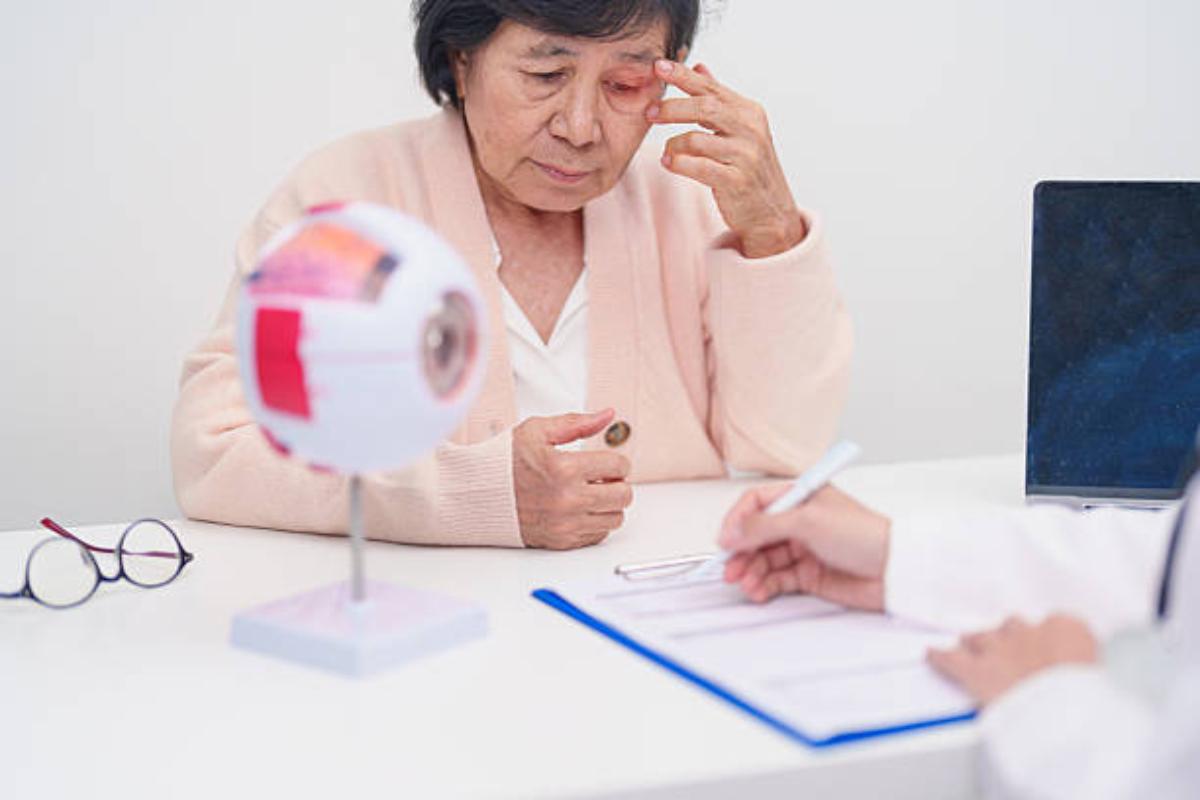
You’re not imagining it. The phone screen feels fuzzier. Reading labels in the grocery aisle suddenly takes longer (and longer arms). Welcome to presbyopia—age-related blurry near vision that creeps in with your 40s and refuses to leave.
But here’s the twist: instead of doubling down on drugstore readers or springing for progressive lenses, many are turning to a new class of treatments that sound deceptively simple—ophthalmic solutions.
Yes, eye drops. But not the “artificial tears” of yesteryear. These are lab-crafted, science-backed formulations built specifically to address the biological changes behind blurry near vision.
Let’s get into how they work, why they’re safe, and what they can’t do (yet).
Table of Contents
Why Your Eyes Blur With Age (And No, It’s Not Your Fault)
Blame the lens. As we age, the eye’s crystalline lens becomes less flexible—meaning it can’t change shape as easily to focus on nearby objects. This stiffening process, called presbyopia, affects nearly 1.8 billion people worldwide. It’s universal. It’s gradual. And it’s completely normal.
But normal doesn’t mean convenient.
Historically, the fix has been external: reading glasses, bifocals, or even lens replacement surgery. But ophthalmic science had other plans—specifically, tiny molecules that improve vision by changing how light enters the eye.
The Pupil Trick: How Ophthalmic Solutions Make Blurry Vision Clear Again
Here’s where it gets clever.
Modern ophthalmic solution for presbyopia use ingredients like pilocarpine, a well-known miotic agent. This compound temporarily makes the pupil smaller—a process known as miosis.
Why shrink the pupil? Because it increases the depth of field. Think of it like switching your smartphone to portrait mode—everything gets a little crisper. By limiting peripheral light and focusing rays through a tighter aperture, these drops help your eye bring near objects into sharper focus.
No surgery. No implants. Just physics… in a bottle.
How Long Do They Work? And Are They Safe?
Most drops currently available or in development offer a window of 6–10 hours of improved near vision. Perfect for workdays, social events, or reading-intensive tasks.
As for safety, the science is promising. In clinical trials, the most common side effects were:
- Mild headache
- Temporary eye redness
- Slight difficulty seeing in low light
These are typically short-lived and fade as your eyes adjust. Still, they’re not recommended for people with certain retinal or inflammatory eye conditions. Always consult an eye care provider to determine if you’re a good candidate.
For the general population, these ophthalmic solutions offer a low-risk, non-invasive option to delay (or even avoid) the need for reading glasses.
The Broader Science of Ophthalmic Solutions
Presbyopia isn’t the only age-related condition getting attention.
The field of ophthalmology is exploding with drop-based therapies targeting:
- Dry Eye Syndrome – often caused by aging glands or hormone shifts. Anti-inflammatory drops restore natural tear production.
- Glaucoma – age-related increase in eye pressure is managed with pressure-lowering drops that protect the optic nerve.
- Cataract Management (Pre-Op) – some solutions help stabilize the eye or reduce inflammation before surgery.
The common thread? Precision delivery. Today’s ophthalmic solutions are engineered for optimal absorption, minimal irritation, and targeted action. That’s miles ahead of the generic “soothing drops” you may have used in your 20s.
The Road Ahead: Smarter Drops, Longer Results
Pharma and biotech companies are racing to improve duration, minimize side effects, and even develop multi-action formulas. Some drops in clinical stages aim to restore lens flexibility using biochemical modulation—a potential game-changer that treats the cause, not just the symptoms.
Others are exploring sustained-release mechanisms, where one drop could last a week or longer.
Bottom line: this space is just getting started.
Final Thought: Don’t Just Live With Blurry Vision—Understand It
Presbyopia may be a natural part of aging, but living in blur-mode doesn’t have to be. With the rise of modern ophthalmic solutions, science has delivered a subtle, powerful way to see more clearly—without interrupting your day or reinventing your face with new glasses.
Want to explore the science-backed options available now? Visit Vizz and get the clarity your eyes deserve.