

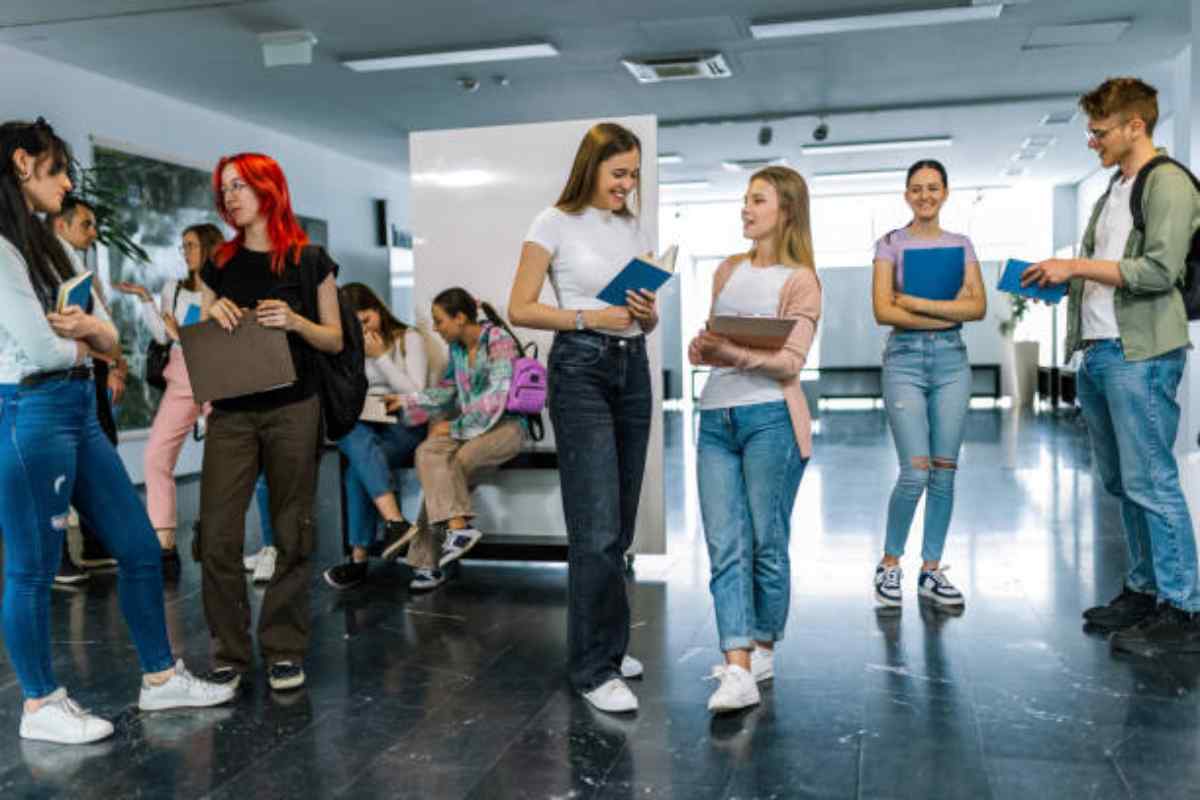
Walk through any high school cafeteria today, and you’ll witness a peculiar paradox. Hundreds of teenagers packed into one space, yet many feel profoundly alone. Despite being constantly connected through smartphones and social media, today’s teens are experiencing what researchers call a “friendship recession”—a widespread decline in meaningful social connections that’s leaving young people feeling isolated even when surrounded by peers.
Table of Contents
The Numbers Tell a Sobering Story
Recent studies paint a concerning picture of teenage social life. Nearly half of adolescents report feeling persistently lonely, with rates of isolation doubling over the past decade. This isn’t just teenage angst or typical growing pains. Mental health professionals are seeing real consequences, from increased anxiety and depression to a notable rise in teens seeking support at facilities specializing in adolescent care, including those at a teen treatment center focused on helping young people rebuild social skills and emotional resilience.
When Connection Becomes Performance
Social media promised to bring us closer together, but for many teenagers, it’s created a different reality entirely. Instagram feeds showcase carefully curated highlight reels while TikTok offers endless entertainment that somehow makes the silence feel louder. Teens scroll through images of friend groups they’re not part of, parties they weren’t invited to, and inside jokes they don’t understand.
The pressure to present a perfect online persona adds another layer of stress. Friendships become performative, measured in likes, comments, and streaks rather than genuine emotional intimacy. When every interaction can be screenshot, shared, or scrutinized, vulnerability becomes risky. Why open up to someone when that moment might end up as content?
The Pandemic’s Lasting Shadow
COVID-19 didn’t create the friendship recession, but it certainly accelerated it. Critical years of social development happened in isolation, with Zoom screens replacing lunch tables and hallway conversations. Teens who should have been learning to navigate complex social dynamics through trial and error instead spent formative months behind closed doors.
Now, even with restrictions lifted, many young people find themselves struggling with basic social skills that previous generations took for granted. Starting conversations, reading body language, managing group dynamics—these abilities atrophy without practice. The result is a generation that’s simultaneously desperate for connection and terrified of reaching out.
The Busy Trap
Today’s teenagers are overscheduled in ways previous generations never experienced. Between AP classes, club meetings, sports practice, college prep, and part-time jobs, there’s little time left for the unstructured hanging out that builds deep friendships. Spontaneous meetups give way to calendar coordination that would make a corporate executive exhausted.
This constant busyness creates shallow connections—lots of acquaintances but few true friends. Teens know hundreds of people through various activities but struggle to name someone they could call at 2 AM with a problem. Quality time gets sacrificed on the altar of achievement, leaving young people accomplished but lonely.
When Physical Spaces Disappear
Previous generations had third spaces—places beyond home and school where teens could gather informally. Malls, movie theaters, parks, and local hangouts provided neutral ground for friendships to develop organically. Many of these spaces have vanished or become inhospitable to teenagers without money to spend.
Without these gathering places, teens retreat to their rooms and their screens. Online spaces can’t fully replace the connection that comes from sharing physical space, reading someone’s energy, or sitting in comfortable silence together. Digital communication works well for maintaining relationships but struggles to create the depth needed for true friendship.
The Vulnerability Deficit
Perhaps the biggest barrier to teenage friendship today is a cultural shift away from vulnerability. Social media rewards projection of confidence and success while punishing perceived weakness. Admitting loneliness feels like admitting failure, so teens suffer silently rather than risk rejection.
Real friendship requires risk. It means showing up authentically, sharing fears and insecurities, and trusting someone with the messy parts of yourself. In an environment where image management feels essential for social survival, that kind of openness seems impossibly dangerous.
Finding Hope in Small Connections
Despite these challenges, many teens are finding creative ways to fight back against isolation. Some are deliberately limiting screen time and prioritizing face-to-face interaction. Others are seeking out communities built around shared interests where connection happens naturally through common ground rather than social performance.
Mental health awareness is also growing, with more young people recognizing loneliness as a legitimate issue worth addressing rather than a personal failing. Schools, parents, and teen treatment center programs are developing new approaches to help adolescents build genuine connections and develop the emotional skills needed for lasting friendships.
Moving Forward
The friendship recession affecting today’s teenagers isn’t their fault, and it’s not inevitable. By acknowledging the real barriers young people face in forming connections and actively creating opportunities for authentic interaction, we can help this generation find their way back to each other.
Because ultimately, those crowded hallways should feel less lonely. With intention, support, and a willingness to prioritize connection over performance, today’s teens can reclaim the deep friendships that make adolescence bearable and build social skills that will serve them for life.