

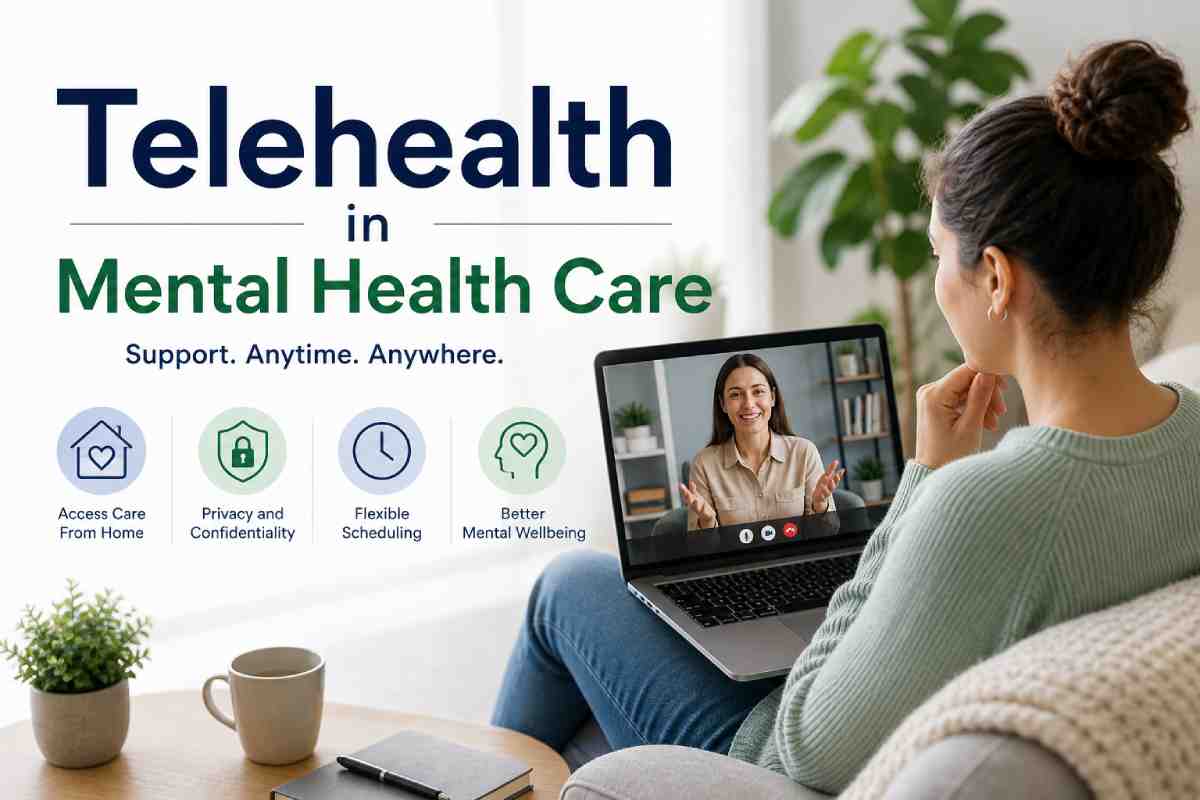
For many people, the benefits of telehealth show up before a first appointment even happens. They show up in the decision to reach out at all. When getting to a clinic means long drives, time off work, or complicated family schedules, the path to care can feel blocked before treatment begins.
Mental health support still needs structure, qualified professionals, and a plan that matches a person’s needs. In that context, the benefits of telehealth tend to be practical rather than flashy. It offers another way to connect with licensed care, and it can work alongside in-person services when that better fits the situation.
Table of Contents
Benefits of Telehealth for Access and Scheduling
One of the clearest benefits of telehealth is access. People in rural areas or underserved communities may have fewer local options, and travel can be a barrier. A virtual session can reduce that distance and make it easier to connect with a provider who fits the person’s needs.
Scheduling is another place where the benefits of telehealth can matter. When therapy fits around school, work, and family responsibilities, it may be easier to keep appointments. That consistency supports treatment goals, especially when care focuses on coping skills and emotional regulation that take time to build.
Benefits of Telehealth for Privacy and Comfort
Privacy concerns keep many people from seeking support, even when they feel ready. One of the everyday benefits of telehealth is that it can reduce the stress of being seen in a waiting room. For some, meeting from home feels more comfortable and less intimidating, especially at the start of treatment.
Comfort does not mean care becomes casual. The benefits of telehealth come from keeping sessions structured while allowing clients to choose a setting that feels manageable. For teens, that comfort can depend on whether a private space exists at home, so it helps when families plan for quiet time and limited interruptions.
Benefits of Telehealth in Ongoing Outpatient Care
Outpatient treatment often depends on steady participation. A practical set of benefits of telehealth includes fewer transportation problems and fewer missed appointments, which can support ongoing progress. For many people, reducing the effort it takes to attend can make it easier to stay engaged.
In many treatment plans, the benefits of telehealth also relate to flexibility within a larger continuum of care. Some people use virtual sessions during transitions, such as after a more intensive level of support. Others combine in-person and virtual visits in a hybrid approach. That mix can support continuity without treating one format as the only option.
Considering Limits While Weighing the Benefits of Telehealth
It helps to balance the benefits of telehealth with real limits. Not everyone has reliable internet, a suitable device, or a private place to talk. For some people, home life makes sessions harder, not easier. For teens, privacy can be complicated in shared households, and that can affect how open they feel.
Some situations call for a higher level of care, such as intensive outpatient programs or partial hospitalization programs. In those cases, the benefits of telehealth may come from supporting follow-up visits or check-ins rather than serving as the main setting for treatment. When choosing a provider, it helps to look for licensed clinicians, clear privacy practices aligned with HIPAA standards, and a plan that matches the level of need.