

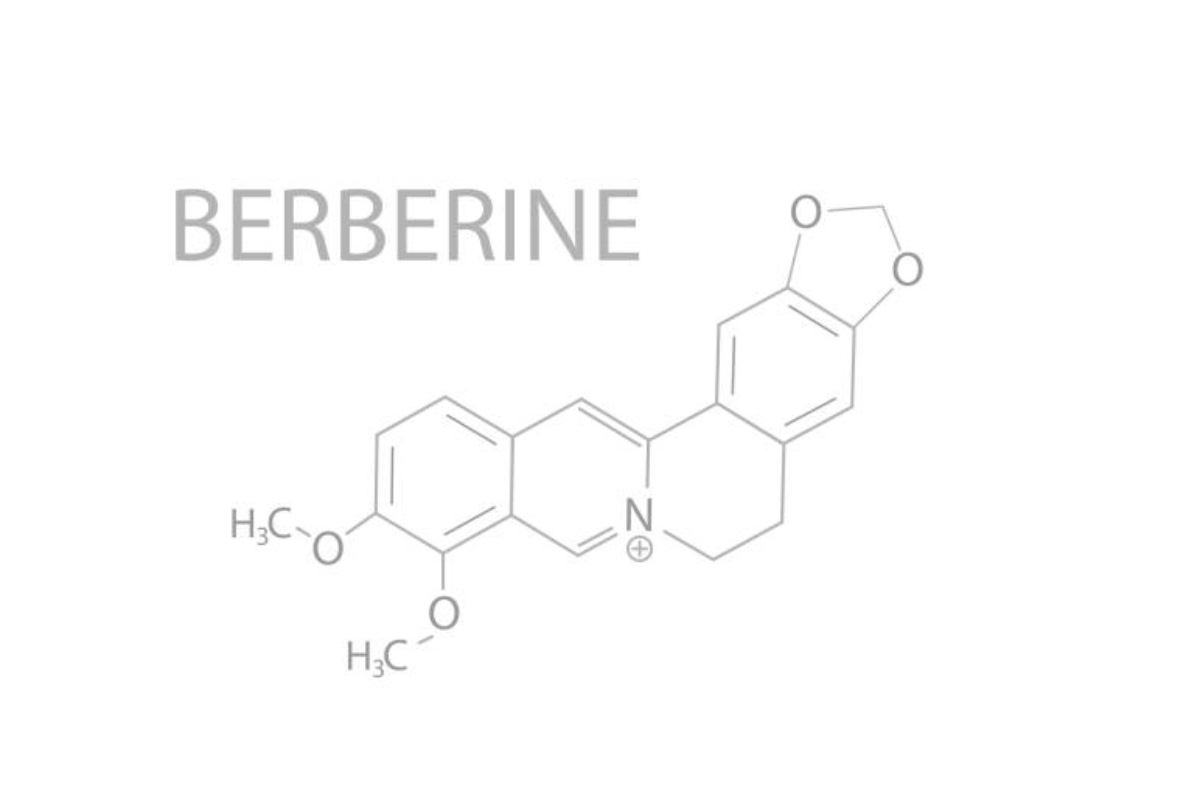
Berberine has long been a staple of traditional Chinese and Ayurvedic medicine, but only over the past few decades has Western medicine caught up with what practitioners have known all along.
This bright yellow compound, derived from goldenseal, barberry and other plants, is popping up in more aisles and health recommendations than ever. And to be honest, the research is exciting. It continues to find that it does some incredibly impressive things in the body related to metabolism and blood sugar management.
But it gets better. Not all berberine supplements are created equally, and how they work in the body after you take them explains why. Potency matters more than most people realize, and understanding how/why berberine works as it does helps explain why some people experience life-changing results while others feel underwhelmed by its effects.
Table of Contents
What Berberine Actually Does at the Cellular Level
When berberine enters into the bloodstream, it gets absorbed by the cells where it primarily works in the nucleus and mitochondria, activating a pathway called AMPK (adenosine monophosphate-activated protein kinase) upon entering the nucleus. AMPK is like a master switch for metabolism within the body that triggers a cascade of positive actions. When it’s turned on, the biological reactions essentially tell cells how to respond to maintain good health overall.
For example, AMPK activation makes cells more insulin-sensitive, enabling them to pull out glucose from the bloodstream more effectively while simultaneously reducing glucose production in the liver. Fat cells decrease de novo fatty acid production and lipogenesis. Mitochondria operate with greater efficiency. In short, there are not one or two actions that change, but rather a network of positive changes that occur once AMPK is activated.
One interesting secondary mechanism of action involves berberine’s action with gut bacteria. Berberine works as an antimicrobial on some microorganisms that trigger inflammation and excess glucose production, but it also rebalances gut bacteria overall, a significant impact beyond the scope of AMPK activation alone and one more unlikely than not to work across integrated systems.
The Absorption Problem (And How It’s Being Solved)
Here’s where it all gets complicated. Standard berberine has low bioavailability; in fact, studies show that only 5% of berberine that gets swallowed actually crosses the intestinal wall into the bloodstream. Why? Because of P-glycoprotein, a protective protein in the gut lining that operates as a bouncer for unwanted substances. Essentially, before berberine can enter the bloodstream to do its good work, P-glycoprotein pumps it back out, preventing absorption.
This is an inherent protective mechanism for the body, but it means that most formulations require relatively higher doses of berberine to get it into the bloodstream before it’s rendered useless.
Fortunately, enhanced formulations have entered the mix. For example, products like berberine x5 integrate technologies that improve bioavailability and accessibility, such as SMEDDS technology, that make a significant percentage more of active berberine available for its intended function without forcing users to take exceedingly high amounts that upset digestion, among other adverse effects.
There are other considerations for maximum absorption as well, including taking berberine at mealtimes, especially meals with fat, however there still remains an uphill battle for standard berberine when it comes to getting past the GI barrier, even when timing is intentional, which is why enhanced formulations have made a big difference.
Why Blood Sugar Responds So Well
It’s likely no coincidence that much of the research surrounding berberine focuses specifically on blood sugar levels and management; every study relating to blood sugar has come out overwhelmingly positive after randomized clinical trials for fasting blood glucose reductions, lower HbA1c values (the blood glucose marker for long-term blood sugar levels) and increased insulin sensitivity improvements for type 2 diabetics/pre-diabetics.
This isn’t to say that expected findings are statistically significant; instead, it’s impressive since researchers find large effect sizes, meaning a consistently effective result from small sample size, but rarely find confounding variables.
As noted above, since AMPK essentially increases insulin sensitivity and reduces glucose production in the liver while simultaneously slowing carbohydrate breakdown within the intestine, berberine is effectively affecting multiple avenues of glucose metabolism at once, and considering recent studies compare metformin and berberine (the latter prescribed to manage diabetes for different reasons) and find no difference between blood glucose control levels it’s impressive that such a plant derivative can do so much.
More importantly, doses in studies have been approximately 900 mg/day – 1,500 mg/day (in divided doses, two-three with meals over time) which suggests gradual improvement of blood glucose levels, but not overnight changes; instead, studies show users experiencing diminished blood glucose levels consistently after several weeks of regular use.
Beyond Blood Sugar: Other Metabolic Benefits
In addition to glucose control and management over time, berberine has other metabolic-related benefits which make it an attractive supplement avenue for otherwise undesired results. Berberine has been shown to improve LDL cholesterol and triglyceride reduction while providing modest increases for HDL cholesterol; because AMPK activation facilitates this pathway for lipids (how the body creates and metabolizes lipids), the findings are congruent with results surrounding blood sugar effects.
Moreover, some studies suggest that berberine helps users lose modest weight—about ten pounds over several months of use within clinical settings, but this likely is a residual effect of greater insulin sensitivity improvements as opposed to an intentional fat loss initiative. But who can complain about better metabolic health?
Other findings associate berberine with fatty liver disease/inflammation improvements, but further study is warranted in this area, but it’s clear that researchers find promising changes worth exploring once they dig deeper into how impactful berberine can be on other pathways connected to metabolism.
What to Look for in a Berberine Supplement
This comes down to potency, standard hydrochloride berberine is the most common formulation; however, with such low bioavailability, additional formulations using different methods to assure bioavailability gains are becoming available, and they’re worth looking into.
Third-party testing is critical. Certificates of analysis confirm purity and ensure buyers get what buyers pay for since there is limited regulation in the supplement market.
Dose matters, but sometimes more isn’t better with enhanced formulations since they’ve been designed to improved absorption capabilities. An average formulation may require more berberine dosage than an enhanced formulation that’s found a way to get lower amounts into the bloodstream efficiently; this can translate into reduced gastrointestinal side effects, which may happen naturally at higher doses, like stomach upset/cramping/diarrhea so enhanced absorption formulas can be kinder while still doing better work than standard formulas.
The Bottom Line on Berberine
In summary, all scientific findings show that berberine provides helpful benefits worthy of boasting, its ability to connect through multiple pathways in the body make it legitimately useful for anyone with history of metabolic syndrome or blood glucose-related concerns.
It’s important to recognize that advanced formulations matter, a lot, since knowing how berberine works as a whole helps explain why potency can make such a difference when it comes to real-world results. When you know how something works after entering your body, what changes need to be made and when, you can adjust accordingly to make sure it’s functioning at its best ability for your best benefit.
Berberine is one of those supplements where it’s exciting for research to mirror what people experience because sometimes supplements don’t always work, and expectations factor into so much when it comes to well-intended supplementation, and in this case it’s nice to know science agrees with everyone else trying it out.