

“Say that again? You cut out.”
We’ve all been there—mid-crisis, mid-shift, mid-sentence—and the phone just… stalls. The spinning wheel of doom. Another dropped call. A group chat buried in thumbs-up emojis and off-topic chatter.
And then someone pulls out a walkie talkie. Presses a button. Clear voice. Immediate response.
That’s the magic of push-to-talk. One click. One voice. No digital drama.
Table of Contents
Not the Radios You Remember
Forget the crackly toys from summer camp. Today’s walkie talkies are slick, powerful, and built with enough tech to make your old smartphone sweat.
Modern models are often powered by LTE and Wi-Fi—meaning your voice doesn’t stop when line-of-sight does. You can be five buildings apart or five states over, and still be crystal clear.
They’re encrypted, GPS-enabled, and cloud-managed.
And unlike fragile phones that slip off ledges or die in the rain, these radios are built like tanks. Whether you’re waist-deep in mud or coordinating across rooftops, they keep going. Batteries last for days, not hours. And yes, they still make that satisfying “click” sound.
Why Push-to-Talk Still Wins
We live in a touchscreen world. But sometimes, simplicity wins.
When every second counts, smartphones can become liabilities. They ask you to tap, swipe, unlock, scroll, open an app, wait for a connection… and hope the person picks up.
Push-to-talk is different. No dialing. No waiting. Just press and speak.
It’s instant. It’s collective. It’s reliable.
It may feel counterintuitive that a tech relic is outperforming the gadgets in our pockets—but in high-stakes, high-noise environments, the one-button solution beats the thousand-dollar touchscreen every time.
Who’s Actually Using These Now?
Walkie talkies are no longer the exclusive domain of mall cops and first responders. Today, they’re everywhere:
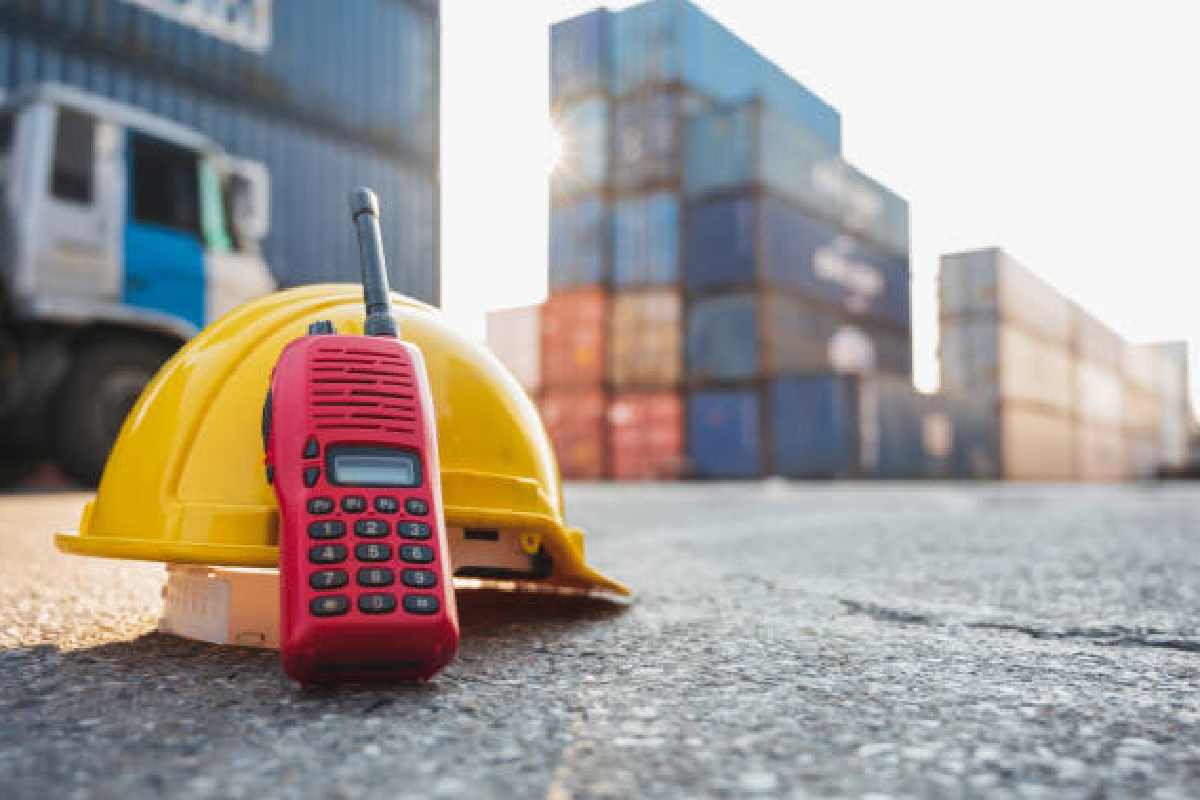
- Construction Crews: Loud, dirty, chaotic. Cell signals drop and fingers are gloved. Radios cut through, fast and hands-free.
- Logistics & Fleet Drivers: Truckers driving cross-state need real-time updates. Push-to-talk keeps dispatch organized without fumbling for a phone.
- Event Coordinators: Behind every seamless concert or conference is a crew glued together by radio. From backstage cues to security sweeps, timing matters.
- Warehouse Teams & Retail Staff: From stockroom updates to customer issues, a single button resolves what texts and calls complicate.
- Outdoor Enthusiasts: Think hikers, skiers, overlanders—people off-grid but still in touch. Walkie talkies don’t depend on cell towers. They just work.
- Remote Worksites: Powerline workers, oil rigs, agricultural crews. These aren’t places for AirPods and Zoom calls.
Even casual users are getting on board—families camping together, neighborhood watches, or simply folks tired of yelling “You’re muted!”
The Tech Shift Behind the Curtain
Modern radios aren’t stuck in the past—they’re reinventing it.
This evolution is largely driven by Push-to-Talk Over Cellular (PoC). It combines traditional radio simplicity with mobile network reach, often covering entire countries.
Here’s what the new generation offers:
- Nationwide & Global Reach: If you’ve got LTE or Wi-Fi, you’re connected.
- AES Encryption: Your communications are secure, which matters more than ever in sensitive industries.
- Cloud-based Management: Admins can remotely update, lock, or track devices.
- Real-Time GPS: Know where every team member is—and hold them accountable.
- Emergency Alerts: Instant SOS capabilities can override regular channels in critical moments.
This isn’t just nostalgia with a tech upgrade. It’s a complete reinvention of how teams communicate under pressure.
Why Radios Make People Better Communicators
Phones are a distraction machine. Notifications, texts, social media, emails—they pull you in a thousand directions.
Radios are the opposite: single-purpose, focused, and fast.
There’s a quiet efficiency in walkie talkies. You don’t call to chat. You communicate to act. That subtle cultural shift often leads to better collaboration, faster decisions, and fewer misunderstandings.
And in high-risk environments—like construction or emergency response—that’s not just a perk. It’s a necessity.
Choosing the Right Radio: What to Look For
Not all walkie talkies are created equal. If you’re in the market, skip the flashy packaging and ask the real questions:
- Does it offer nationwide coverage via PoC?
- Are the channels encrypted?
- What’s the battery life under heavy use?
- Is the device IP-rated for dust, water, or impact?
- Can it be used hands-free with headsets or voice activation?
- Does it include GPS tracking or location sharing?
- Is it compatible with your current system—or future expansions?
The best devices balance durability with modern infrastructure. You’re not just buying a gadget. You’re buying uptime, clarity, and confidence.
What It Means for Teams on the Ground
For businesses, the move to modern push-to-talk is a cost-effective way to streamline operations. It reduces missed messages, decreases response time, and boosts morale—because people feel heard. Literally.
In industries with tight margins, a better communication tool isn’t just convenient. It can mean fewer mistakes, safer operations, and faster service.
Even government agencies and educational campuses are getting on board, using these systems for internal coordination and emergency preparedness.
The ROI? Clear. One button gets things done.
Final Word: The Button That Still Wins
The irony is hard to miss. In an age obsessed with apps, automation, and 5G everything, the most powerful communication tool for real-time coordination remains… a physical button.
No bells. No pop-ups. Just voice.
Walkie talkies may not have the sex appeal of the latest iPhone, but in critical moments, they outperform it. When the stakes are high, the simpler path often wins.
Because progress doesn’t always mean adding more.
Sometimes, it just means making what matters work—better, faster, and without fail.