

In our fast-paced world, we’re often told that major life changes are the key to happiness. Get the promotion, take the dream vacation, reach the big milestone. But what if the secret to better mental health isn’t found in grand gestures at all? What if it’s hiding in the small, seemingly insignificant moments that fill our everyday lives?
Welcome to the world of micro-moments, those brief pockets of joy, connection, or peace that last just seconds but can shift our entire emotional landscape. These tiny experiences are more powerful than most people realize, and understanding how to harness them might be one of the most practical tools for supporting your mental wellbeing.
Table of Contents
What Are Micro-Moments?
A micro-moment is any brief experience that brings you a sense of pleasure, calm, or connection. It’s the warmth of morning sunlight on your face. The smell of fresh coffee brewing. A text from a friend that makes you smile. The satisfying click of a pen. These moments typically last anywhere from a few seconds to a couple of minutes, but their impact on our nervous system and emotional state can extend far beyond their duration.
Unlike major positive events that require planning, resources, or specific circumstances, micro-moments are accessible to almost everyone, almost anytime. They’re the democratic currency of wellbeing, available whether you’re in a boardroom or a bedroom, thriving or just surviving.
The Science Behind Small Joys
Research in positive psychology has consistently shown that frequency matters more than intensity when it comes to happiness. Having many small positive experiences throughout your day contributes more to overall life satisfaction than occasional peak experiences. This is because our brains are wired to adapt quickly to new circumstances, a phenomenon called hedonic adaptation. That amazing vacation gives you a temporary boost, but within weeks, you’re back to your baseline mood.
Micro-moments work differently. Because they’re small and varied, they’re less subject to adaptation. Each one provides a fresh hit of positive emotion, and when accumulated throughout the day, they create a buffer against stress and negativity. Think of them as deposits in your emotional bank account, small amounts that add up to significant reserves over time.
These moments also activate our parasympathetic nervous system, the part responsible for rest and relaxation. When you pause to notice something pleasant, even briefly, you’re giving your body permission to shift out of stress mode. For those working on recovery or managing mental health challenges, these small regulatory moments can be particularly valuable. Resources like those available at LIV Recovery often emphasize how building awareness of positive moments supports the broader healing process.
Finding Your Micro-Moments
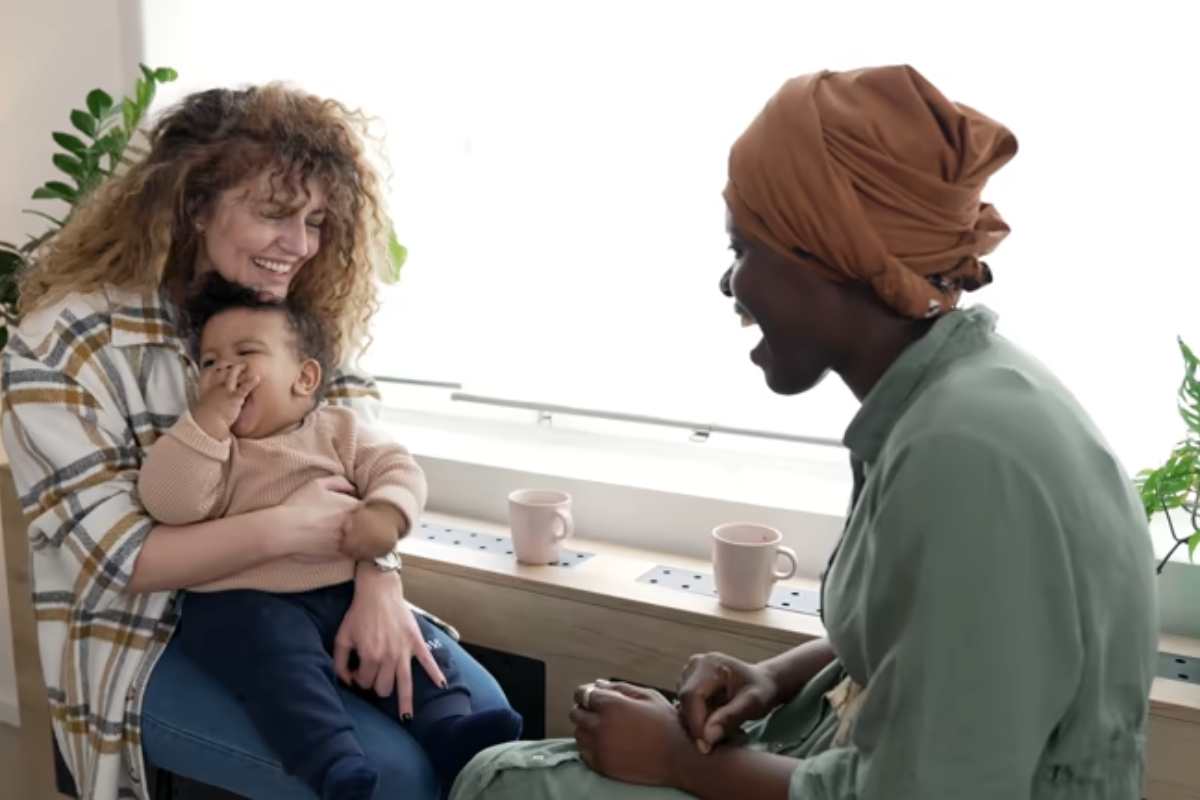
The beauty of micro-moments is that they’re everywhere once you start looking. They exist in sensory experiences—the taste of really good chocolate, the texture of a soft blanket, the sound of rain on windows. They’re in brief social connections—a genuine smile exchanged with a stranger, a moment of shared laughter, a quick but meaningful conversation.
They can be found in accomplishment, too. Crossing something off your to-do list, solving a small problem, or organizing a drawer might seem trivial, but these moments of completion trigger satisfaction in our brains. Even in difficult times, micro-moments persist. A person going through trauma or depression might not be able to access large sources of joy, but might still notice the comfort of a pet’s presence or the relief of a cool breeze.
Cultivating Awareness
The challenge isn’t that micro-moments don’t exist in our lives. It’s that we’re often moving too fast to notice them. We’re mentally rehearsing the next meeting while drinking our coffee, scrolling through news while eating lunch, planning tomorrow while trying to fall asleep tonight. Our attention is everywhere except the present moment where these small joys actually live.
Building the habit of noticing requires practice. Some people find it helpful to set reminders throughout the day to pause and identify something good in their current experience. Others keep a micro-moment journal, jotting down a few each evening. The act of looking back helps train your brain to look forward, making you more attuned to these experiences as they happen.
Integration into Mental Health Practice
Mental health professionals increasingly recognize the value of helping clients identify and appreciate micro-moments. This isn’t about toxic positivity or ignoring real problems. It’s about building psychological flexibility, the ability to be present with whatever is happening while still connecting with sources of vitality and meaning.
For someone in early recovery, noticing a micro-moment might be the difference between acting on an urge and letting it pass. For someone with anxiety, a brief moment of calm can serve as evidence that peace is possible. For someone with depression, recognizing even one small good thing can crack open a door that felt permanently closed.
The Ripple Effect
Perhaps the most remarkable thing about micro-moments is how they compound. When you’re in the habit of noticing small joys, you start creating them more intentionally. You might light a candle while working, play a favorite song, or send a kind message to someone you care about. These actions create micro-moments for yourself and potentially for others, generating a ripple effect of small positives.
Mental health isn’t built in a day, and it’s not maintained by rare peak experiences alone. It’s constructed from thousands of small moments, the ones where we choose to notice, to savor, to connect. In the end, it’s not just the big milestones that shape our lives. It’s how we show up for the small ones in between.